
The shift toward furniture-grade pet products is actively reshaping the global supply chain. Modern pet owners now view dog crates and cat structures as part of their interior decor, driving brands and Amazon FBA sellers to source premium alternatives over cheap plastics.
However, manufacturing high-end wooden pet furniture introduces complex quality risks—ranging from material warping to strict international customs compliance. Partnering with a vetted solid wood pet furniture manufacturer introduces structural and regulatory peace of mind. Here is a practical B2B framework for auditing a manufacturer’s production capabilities before placing a bulk order.
1. Material Compliance & Environmental Standards
Western markets enforce rigid legal standards on timber imports, making compliance your primary risk-mitigation factor. For US and EU distributors, verifying environmental credentials protects the business from customs delays or inventory seizures.
- Timber Traceability: A qualified manufacturer must provide Forest Stewardship Council (FSC) certification. This documentation guarantees that all timber is legally and sustainably harvested, ensuring compliance with regulations like the Lacey Act in the United States.
- Formaldehyde Emission Controls: Pets are highly sensitive to airborne toxins. Mass-market engineered wood often releases hazardous fumes. Premium product lines require E0-grade boards or solid timber that strictly meets CARB Phase 2 and EPA TSCA Title VI standards, keeping formaldehyde emissions under 0.05 ppm.
- Chemical Safety: All glues, stains, and protective UV coatings used during production must be certified safe and compliant with ASTM, EN71, or REACH regulations.
2. Technical Machining Precision and Kiln Drying
Wood naturally reacts to climate variations. Without precise manufacturing controls, finished components are prone to warping, which causes screw holes to misalign during consumer assembly.
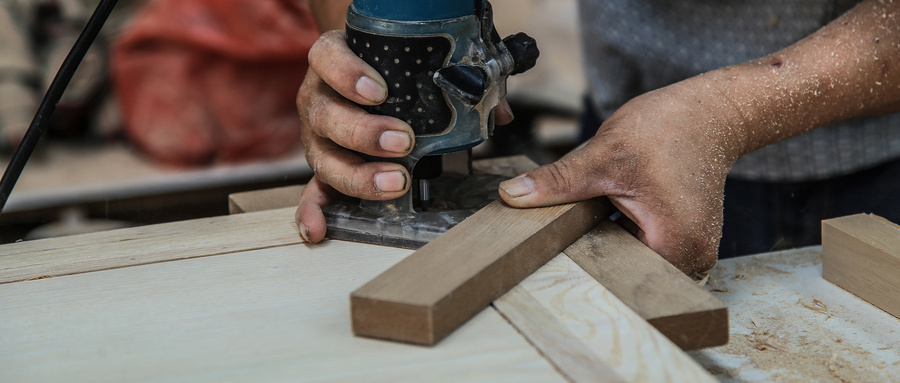
- CNC Routing Capabilities: High-end modular cat walls and wooden kennels require tight joints. Factories equipped with heavy-duty CNC machinery can maintain a processing tolerance within ±0.5mm. This level of precision ensures that pre-drilled holes and interlocking panels align perfectly when the end consumer unpacks the product.
- Moisture Content Optimization: Timber exported across varied climate zones—such as from a humid manufacturing base to an arid region—must undergo professional kiln-drying. Locking the moisture content strictly between 6% and 8% is essential to prevent structural splitting or cracking during transit and long-term storage.
3. Supply Chain Agility & Prototyping Capabilities
A capable OEM partner should function as an engineering collaborator rather than a blind assembly line. Launching or expanding a product line requires a supplier that can adapt quickly to design changes.
- CAD-to-Prototype Speed: Evaluate the factory’s in-house engineering team by their prototyping turnaround. A technically sound manufacturer should be able to translate a 2D CAD blueprint or conceptual sketch into a physical sample within 14 to 30 days.
- Flexible Initial MOQs: Demanding massive initial volumes on unproven designs ties up valuable capital. Look for agile manufacturers that offer a flexible MOQ, such as 50 units per SKU for the inaugural production run, allowing you to validate market demand with reduced financial exposure.
4. Flat-Pack Engineering and Logistical Efficiency
Shipping bulky items like luxury dog crates or multi-level cat trees can decimate profit margins if freight volumes are unoptimized. Logistical engineering is just as vital as product design.
- Knock-Down (KD) Structural Design: A competent supplier must excel at flat-pack engineering. Designing components to pack completely flat can compress packaging volume by up to 40%. This optimization maximizes container utilization rates, significantly lowering your per-unit ocean freight costs.
- Transit Packaging Standards: The exterior packaging must withstand rigorous courier handling. Verify that the factory utilizes heavy-duty corrugation and custom-molded foam inserts that meet ISTA 3A drop-test standards, ensuring products reach your customers without scratched finishes or dented corners.
Conclusion
Selecting a wooden pet furniture manufacturer requires a balanced evaluation of material compliance, machining accuracy, and logistical efficiency. Establishing a relationship with an experienced, technically equipped OEM supplier ensures your product line remains both profitable and scalable.
At Solid Pet Wood, we combine a 6,000 m² CNC-equipped facility with over 15 years of export manufacturing experience. Contact our team at sales@solidpetwood.com to discuss your custom specifications and receive a comprehensive quote.