
You want to sell pet furniture under your own brand — your logo, your packaging, your design language — but you don’t want to build a factory. Private label pet furniture lets you do exactly that. A manufacturer produces the product, and you sell it as your own.
This model works for Amazon sellers launching a new brand, retailers adding a pet category, and e-commerce entrepreneurs who want to control their brand without controlling a production line.
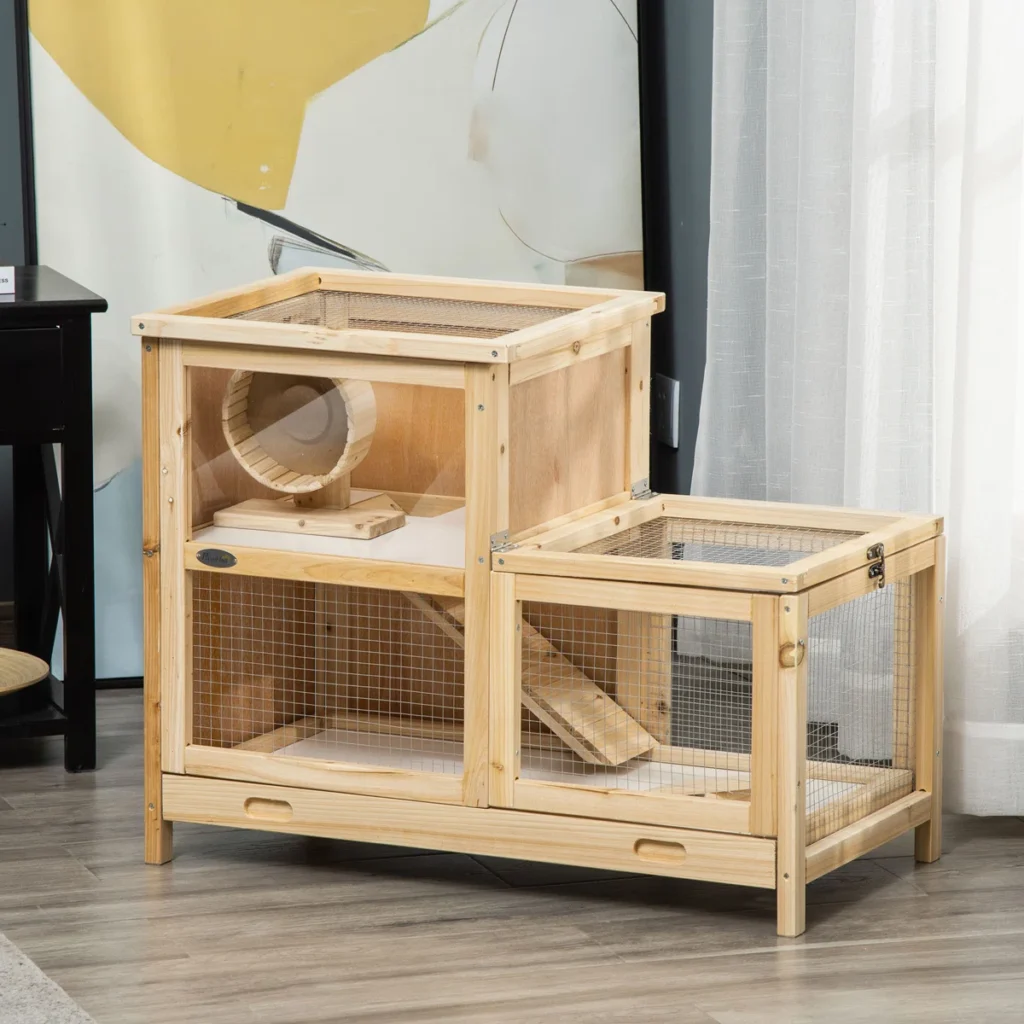
What Private Label Pet Furniture Actually Means
Private label means the manufacturer produces the product, but your brand goes on it. The product design may be the manufacturer’s existing catalog item, or it may be customized to your specifications. Either way, the end customer sees only your brand.
| Model | Who Designs | Who Brands | Best For |
|---|---|---|---|
| Private label (white label) | Manufacturer’s design | Your brand | Fast launch, low investment |
| OEM (custom design) | Your design | Your brand | Differentiated products |
| ODM (modified design) | Manufacturer modifies existing design | Your brand | Balance of speed and uniqueness |
The key advantage of private label pet furniture is speed. You skip the design phase entirely. Pick a product from the manufacturer’s catalog, add your branding, and start selling.
What You Can Customize in Private Label
Even with an existing product design, private label pet furniture gives you control over:
Branding elements:
- Logo engraving or printing on the product
- Branded packaging (box design, inserts, care cards)
- Custom hang tags and labels
- Branded assembly instructions
Finish options:
- Wood stain color (natural, walnut, white, grey, etc.)
- Paint color matching to your brand palette
- Hardware finish (brushed nickel, matte black, brass)
Minor modifications:
- Size adjustments within the existing design framework
- Cushion fabric selection (color, material)
- Adding or removing features (doors, drawers, cushions)
What you typically cannot change in private label: the fundamental structure, dimensions, or construction method. Those changes move you into custom OEM territory, which requires tooling investment and higher MOQs.
Private Label Pet Furniture: Step-by-Step Process
Step 1 — Select Products from the Catalog
Browse the manufacturer’s product range. Look for products that:
- Match your target customer’s price point
- Fit your brand aesthetic
- Have proven demand (check Amazon bestseller lists in pet furniture)
- Ship efficiently (size and weight affect your logistics cost)
Start with 2–3 products maximum. Don’t launch with a full catalog — test, validate, then expand.
Step 2 — Define Your Branding Package
Provide your manufacturer with:
- Logo files (vector format: AI, EPS, or high-res PNG)
- Brand color codes (Pantone or hex)
- Packaging design files (or request the manufacturer to design based on your brand guidelines)
- Any compliance marks needed for your market
Step 3 — Order Samples
Before committing to a production run, order branded samples. This costs $50–$150 per product depending on size, but it lets you verify:
- Logo placement and quality
- Packaging appearance and durability
- Product quality matches your brand standards
- Unboxing experience for your customer
Use these samples for professional product photography — you need listing images before inventory arrives.
Step 4 — Place Your First Order
Private label pet furniture MOQs are typically lower than full custom OEM because the manufacturer is using existing designs and tooling. Expect:
| Order Type | Typical MOQ | Unit Price Impact |
|---|---|---|
| First order (testing) | 50–100 units | 15–25% above bulk price |
| Reorder (validated product) | 100–300 units | Standard pricing |
| Scale order | 300+ units | Volume discounts available |
For detailed MOQ guidance, see our pet furniture OEM MOQ guide.
Step 5 — Quality Check Before Shipping
Request pre-shipment inspection photos or hire a third-party inspector. Check:
- Branding accuracy (logo position, print quality)
- Product quality (joints, finish, hardware)
- Packaging integrity (no damage, correct labeling)
- Quantity count matches your order
Private Label vs. Building Your Own Product Line
| Factor | Private Label | Custom OEM |
|---|---|---|
| Time to market | 4–6 weeks | 8–16 weeks |
| Design investment | $0 (existing designs) | $500–$5,000+ |
| MOQ | 50–100 units | 100–500 units |
| Product uniqueness | Low (others may sell similar) | High (your exclusive design) |
| Brand defensibility | Weak | Strong |
Private label pet furniture is a starting strategy, not an end state. It gets you into the market fast with low risk. Once you identify your bestsellers and understand your customers, graduate to custom OEM for products that competitors can’t copy.
Choosing the Right Private Label Partner
Not every manufacturer offers private label services well. Look for:
1. Existing catalog breadth. More products = more options for your brand. Check categories like cat houses, dog beds, and litter box furniture to assess variety.
2. Branding capability. Can they engrave, print, and produce custom packaging in-house? Outsourced branding adds cost and lead time.
3. Low MOQ flexibility. A manufacturer willing to do 50-unit runs for new brands signals they understand the private label business model. See our small batch OEM guide for what to expect.
4. Material quality. Private label doesn’t mean low quality. Solid wood construction with FSC-certified materials gives your brand credibility from day one. The global pet furniture market continues to grow as consumers demand higher quality pet products.
5. Communication quality. You’ll need responsive communication for branding approvals, sample feedback, and order updates. Test this during the sample stage — if communication is slow before you order, it won’t improve after.
Common Private Label Mistakes
Launching too many products at once. Start with 2–3 proven designs. Each additional product multiplies your inventory risk.
Skipping the sample stage. A $100 sample saves you from a $5,000 mistake. Always verify branding quality in person.
Ignoring compliance. Pet furniture sold in the US should meet CPSC safety standards. Furniture with cushions may need flame retardancy testing. Check requirements for your target market before production.
No plan for reorders. Your first order sells out — great. But if you don’t have a reorder timeline planned, you’ll face 4–6 weeks of stockout. Plan your second order before the first one ships.
Getting Started
Private label pet furniture is the lowest-risk way to launch a pet furniture brand. Start with an existing design, add your branding, and test the market before investing in custom products.
Browse our product catalog to see what’s available for private label, or contact us to discuss your branding requirements.