
Last spring a buyer sent us a photo of her cat sleeping in a laundry basket, with a note: “Build me something like this, but furniture.” That photo became a three-level solid wood cat tree shipped flat-pack. This is the full cat tree product development timeline: what happens, in what order, and where schedules break.
From Sketch to Specification: What an In-House Design Team Actually Does
An in-house design team turns a rough concept — a photo, a sketch, a feature list — into a manufacturable specification: dimensioned drawings, material callouts, hardware lists, finish codes. A design is finished not when it looks good, but when the factory can build it twice and get the same result.
Sketching is fast and disposable: designers explore dozens of rough concepts — killing a bad idea on paper takes minutes, in prototype form takes weeks. Our designers sit twenty meters from the production floor and walk over whenever a detail looks questionable. The output is a drawing package a stranger could quote, tool, and build from — that is the test of a real specification.
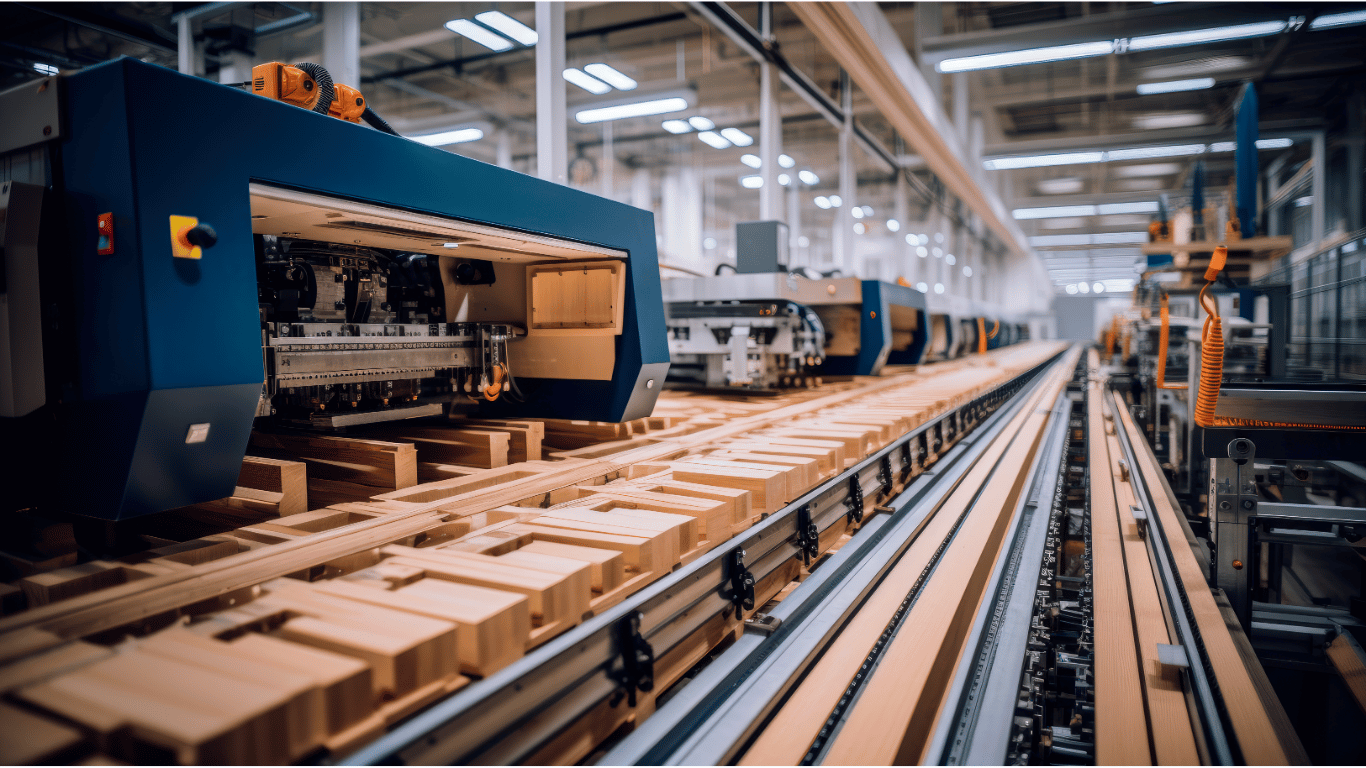
The Cat Tree Product Development Timeline Starts with the Drawing
The first prototype tests the concept, not the product. Built to the engineering drawing with the intended materials and hardware, it answers one question: does this design work in the real world? Fit, stability, and assembly logic get checked here — cosmetics come later.
We prototype in the real thing — same lumber, same hardware, same sisal — because substitutes teach nothing. The drawing follows ASME Y14.5 dimensioning and tolerancing so every dimension has one unambiguous meaning. First assembly is always revealing: the step that looked obvious on screen needs three hands; the post that looked sturdy flexes under real load. We photograph and document everything — the second prototype needs to know exactly what the first one taught.
Prototype Iteration: How Many Rounds Are Normal?
Plan for three rounds; hope for two; do not panic at four. The first fixes structure and assembly logic, the second refines proportions and finish, the third confirms the frozen design. Each round is faster than the last, because the unknowns shrink.
| Round | Goal | Typical decisions |
|---|---|---|
| 1 | Structure and assembly logic | Joints, post diameters, base sizing |
| 2 | Proportions and finish | Platform widths, coating, edge details |
| 3 | Confirm frozen design | Final sign-off |
What stretches timelines is not round count but feedback quality between rounds. “Make it look better” is not actionable; “the top platform feels cramped for a large cat, widen it 5 cm” is. We insist on consolidated feedback after each round — one clear direction; drip-fed comments restart the clock. A cheap factory nods at vague feedback and guesses; a specialized manufacturer demands measurable direction first.
Materials and Finish Selection Along the Timeline
Materials and finishes are chosen for the job they must do, not just their looks. A scratching platform gets a different coating build than a decorative panel; a load-bearing post gets a different lumber grade than trim. Material choices lock in during development: late changes force re-testing of everything they touch.
Pine and rubberwood dominate — workable, stable when kiln-dried — but grade matters as much as species. Water-based systems for low odor and color stability, sheen matched to the design language, finish tested on the actual species. FSC chain-of-custody lets buyers verify the lumber’s origin. One limitation: wood is natural, grain and color vary between boards and batches, and no finish promises absolute uniformity.
Testing Along the Cat Tree Product Development Timeline
Structural testing belongs before tooling, not after: running tip-over and fatigue tests after tooling exists turns every fix into an engineering change order. Test early, fix easily, tool once — that is the sequence that keeps a launch on schedule.
| Essai | When it runs | What it simulates |
|---|---|---|
| Tip-over | Development prototype | Lateral force at launch/landing heights |
| Joint fatigue | Development prototype | Years of climbing in days |
| Hardware torque | After fatigue cycles | Vibration loosens merely tight bolts |
| Finish battery | Alongside structural | Adhesion, scratch, claw wear |
| Emballage | Before design freeze | Survives testing but not shipping = unfinished |
In a typical tension-pole development run, the first build passes the static load test but tips in the dynamic check — we widen the friction base and re-run the full battery. That is what prototypes are for: failing cheap, early, and on purpose.
ECOs: Engineering Change Orders Without Chaos
The engineering change order is the most abused document in product development. A proper ECO states what changes, why, which revisions it applies to, and what gets re-tested — signed by everyone affected. An abused ECO is a chat message saying “make the platform a bit bigger” — interpreted one way, meant another.
Change is inevitable; uncontrolled change is optional. The rule is proportionality: a finish code change needs a new sample and a finish test; a structural dimension change needs a new prototype and the full structural battery. Skipping the re-test because “it is a small change” is how products fail in the field. When a condo door is widened for large breeds after round two, the wider opening can weaken the side panel — so an internal batten is added, and the tip-over test re-run. Every ECO updates the drawing package — the single source of truth.
From Approved Sample to Production: The Handoff That Decides Everything
The golden sample is the physical contract: every decision the timeline produced, embodied in wood, hardware, and finish. The handoff succeeds or fails on documentation: final drawings, bill of materials, finish standard with retained sample, packaging specification, and the QC plan.
The most valuable meeting in the timeline is the pre-production review: design, engineering, QC, and production with the golden sample, walking every detail one last time. Production raises what design never considered — a hole pattern needing a new jig fixture, a slow sequence — and the answers become final clarifications before tooling. Tooling is built against the frozen drawing, first articles are checked against the golden sample, and only then does the production run begin.
Notre Processus OEM/ODM page shows how our design team works with buyers from first sketch to golden sample. When the timeline reaches production, our sample-to-bulk process takes over.
Have a concept, a sketch, or just a photo of a cat in a laundry basket? Start the development timeline through our request-quote page.
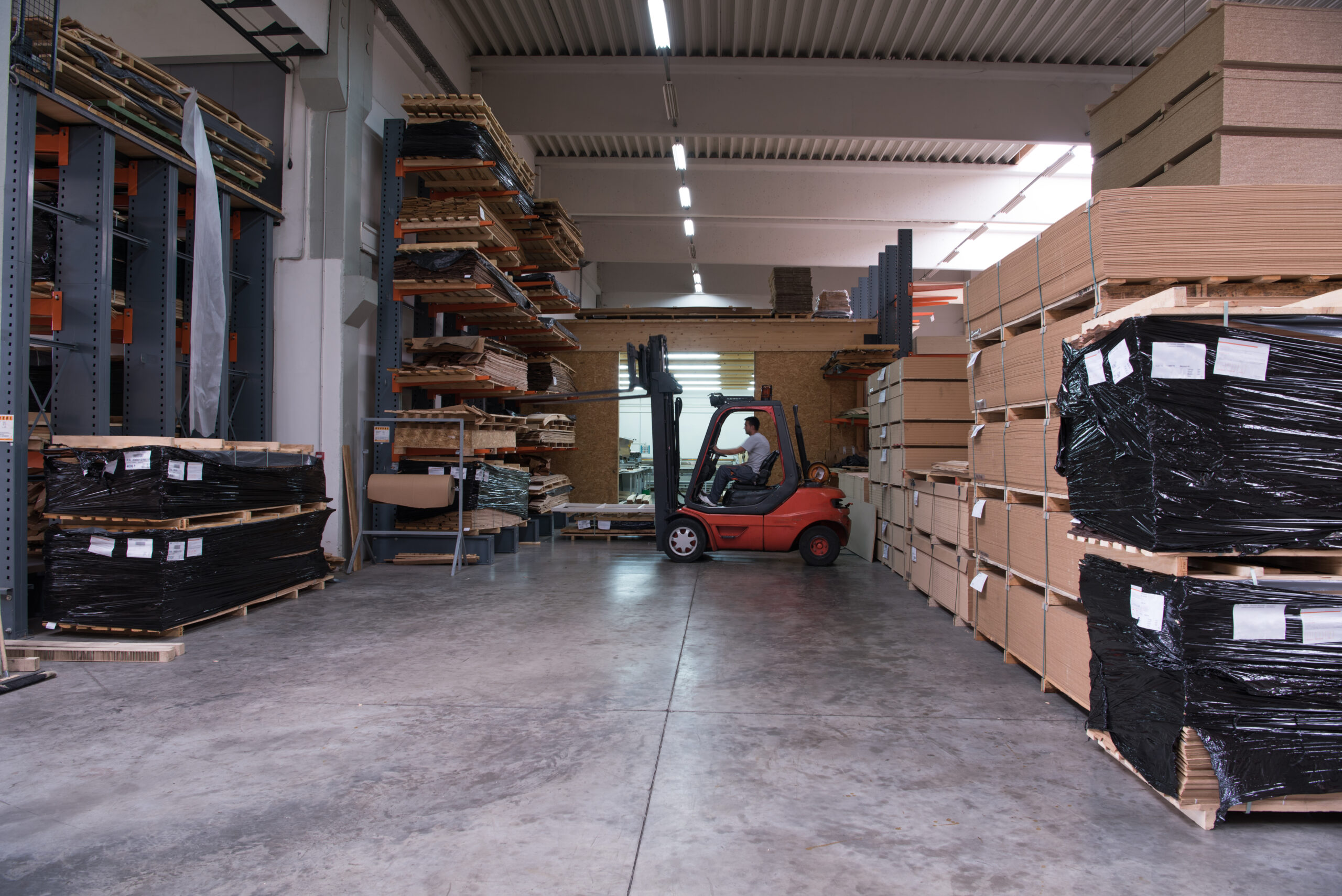
voir notre atelier où les meubles pour chats en bois massif sont usinés et assemblés. A look at how solid wood cat furniture is built in our factory.
How Solid Pet Wood Manages the Cat Tree Product Development Timeline
Our design team sits twenty meters from the production floor, so a questionable detail gets a builder’s answer the same day. Every project runs the same discipline: disposable sketching, unambiguous drawings, prototyping in real materials, consolidated feedback, testing before tooling, formal ECOs. When you start the timeline with us, you get a specification a stranger could build from twice — with the same result.
FAQ
How long does cat tree product development take?
From first sketch to approved sample: twelve to twenty weeks for a typical solid wood cat tree. The biggest variable is feedback quality between rounds — consolidated, specific feedback keeps the schedule.
How many prototype rounds should I expect?
Plan for three: the first fixes structure and assembly, the second refines proportions and finish, the third confirms the frozen design. A fifth round signals the brief was never settled.
When should structural testing happen?
Before tooling, on the development prototype. Tip-over and fatigue tests prove the structure while fixes are easy; testing after tooling turns every fix into an engineering change order.
What is an engineering change order (ECO)?
A formal record of exactly what changes, why, which revisions it applies to, and what gets re-tested — signed by everyone affected. Informal “make it a bit bigger” messages are how factories and buyers end up building different products.
Can I change materials after the design is frozen?
You can, but it restarts part of the timeline: new species or finish means new samples, new finish testing, possibly new structural testing. That is why material selection locks in during development.
Support OEM/ODM
Besoin d'un plan de production personnalisé pour un arbre à chat ?
Envoyez des photos de référence, les dimensions cibles, les préférences de matériaux, les besoins en emballage et la direction du marché. Nous pouvons examiner la faisabilité, l'échantillonnage, les MOQ et l'emballage d'exportation avant la production. Demander un devis OEMLignes de produits associées
Explorez les meubles pour chats en bois que nous pouvons fabriquer.
Guides d'achat associés