
A distributor opens a new container — top perch wobbles, one bolt hole three millimeters off. Below: seven cat tree manufacturing defects and the systems that stop them. Buyers: see inspecting pet furniture before shipment; here we stay in the workshop.
What Are the Most Common Cat Tree Manufacturing Defects?
The most common cat tree manufacturing defects are moisture-driven cracks, structural wobble, formaldehyde odor, peeling finishes, loose hardware, sisal winding failures, and flat-pack alignment errors — mostly caught at incoming-material and in-process stages, long before cartons are sealed.
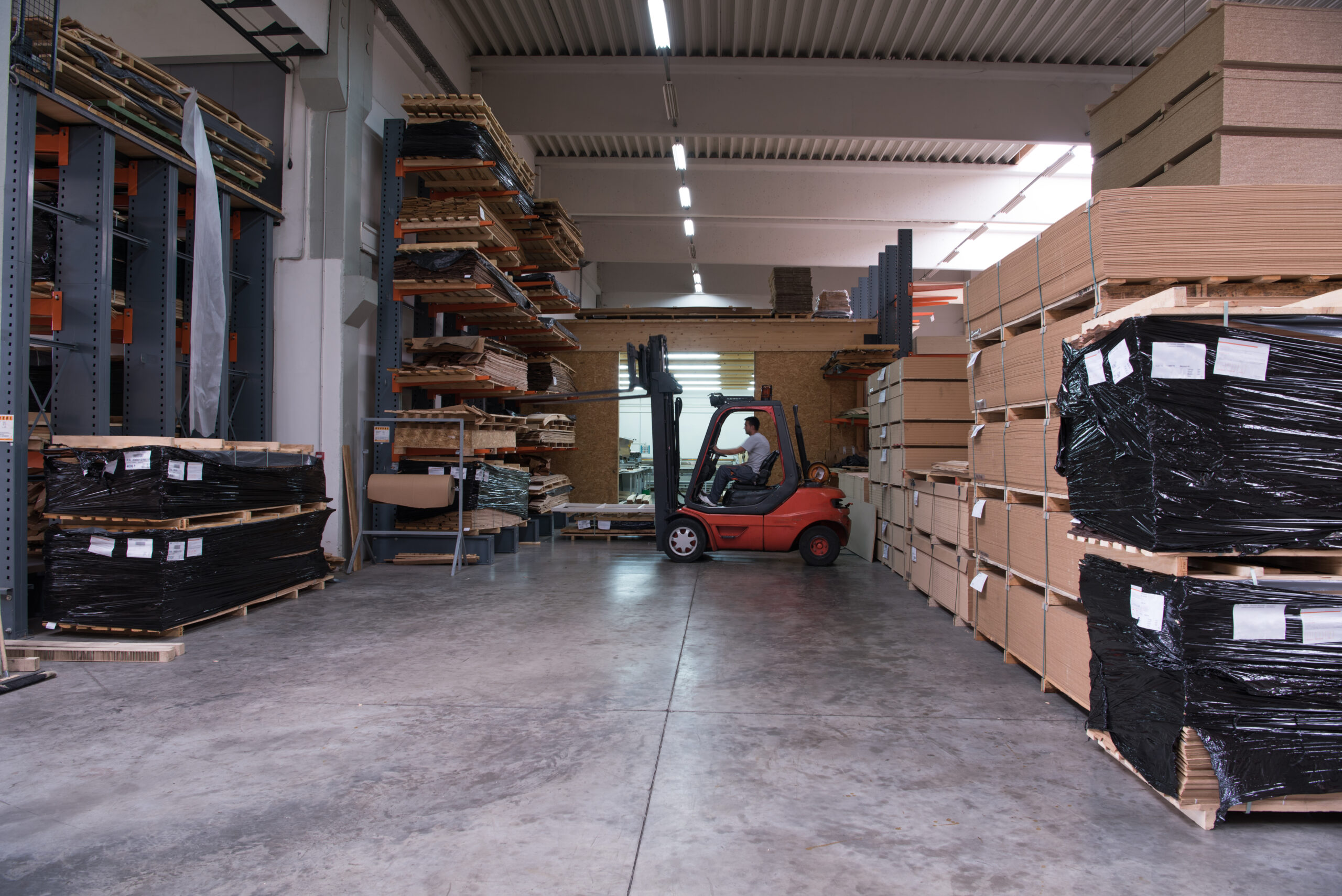
Defect 1: Moisture Cracks and Split Tenons
Wood that enters the shop too wet moves after cutting. A board at 16% shrinks toward the indoor equilibrium of 8–12%, cracking and splitting tenons.
| Moisture band | Product risk | Factory response |
|---|---|---|
| Below 8% | Brittle, starves glue | Recondition |
| 8–12% | Stable | Release to cutting |
| Above 12% | Cracks, split tenons | Reject at gate, or sticker and rest |
Defense starts at the incoming gate: every bundle is moisture-metered; out-of-band boards never reach the saw. On the line, a bundle above the 8–12% band is stopped before cutting — kiln certificate or not. More: solid wood vs MDF.
Defect 2: Wobble, the Structural Cat Tree Manufacturing Defect Buyers Fear Most
Wobble reads as dangerous the moment a customer assembles the tree. It comes from design decisions, not assembly accidents: undersized base, columns screwed into end-grain, platforms on loose brackets — load-path errors made months before the carton was sealed.
On our engineering bench, prevention starts with through-bolts into threaded inserts for column-to-base joints, and base plates sized against total tower height. We learned this on an early tall model: the prototype passed, but the first production batch wobbled because a plate supplier substituted thinner stock. Now every plate gets a caliper check at incoming. Every new model faces an ASTM F2057-informed tip-over test; the ASTM F2057 standard defines allowable tilt under off-center loading — the failure mode when a cat leaps onto a perch. More: durability testing.
Defect 3: Formaldehyde Odor, the Invisible Cat Tree Manufacturing Defect
Formaldehyde odor is the invisible defect. A persistent chemical smell — usually from adhesive-bonded panels or cheap veneers — can quarantine an entire shipment. CARB Phase 2 and EPA TSCA Title VI set identical, non-negotiable limits; the EPA rule covers finished goods with those panels.
Our policy: parts a cat chews and sleeps against are solid wood, not composite board. Where panels are unavoidable, we specify E0/E1-grade boards and require CARB Phase 2 documentation with every lot. More: CARB certification guide.
Defect 4: Peeling Finish and Unsafe Coating Edges
Under claws and teeth, the finish is a wear surface, not decoration. The failure mode: coating over wood that peels in sheets.Prevention is mostly prep: sand, dedust, and break sharp edges before finishing.
Years ago we standardized water-based coating for every surface a cat touches — hard, scratch-resistant, no solvent off-gassing. First articles get a cross-hatch adhesion test before release. A cheap factory adds another coat to hide poor prep; a specialized manufacturer fixes prep. More: our pet-safe wood finish guide.
Defect 5: Loose Hardware and Stripped Inserts
A cat tree is only as good as its fasteners. Mass-produced units arrive with cam bolts that strip on first assembly or inserts that pull out of end-grain — threads bite poorly there and back out under load. We CNC-drill insert pockets to 0.1 mm consistency and press brass inserts instead of threading wood directly.
On the assembly line, IPQC’s torque check catches insert pockets drilled shallow — inserts seated proud would wobble under load. The line stops, tooling resets, parts are reworked before packing. More: hardware guide.
Defect 6: Sisal Winding Gaps and Scratching Post Failure
Sisal posts fail predictably: widening gaps, failing glue, fraying rope. The root cause is winding tension — too loose and the rope walks down the column. Our winding jig holds constant tension while a continuous adhesive bead is applied, then a full cure.
Top and bottom windings are stapled beneath the rope line; pull-tests must show zero rope migration, or the line stops. A cheap factory spot-glues and hopes; we tension, bond, cure, pull-test.
Defect 7: Flat-Pack Alignment Failures
Flat-pack cat trees live or die by hole position: a hole 2 mm off means the customer forces a bolt, strips an insert, and writes the one-star review. Alignment errors come from fixture drift or parts mixed between similar models.
Three layers: CNC-drilled holes from shared datums, dedicated fixtures per model, and a first-article fit-check with corrections logged as an ECO. Measure twice at the CNC, not once at the customer’s kitchen table.
Which Station Intercepts Each Cat Tree Manufacturing Defect
Every defect has a station where it’s cheapest to catch:
| Defect | Intercept station | Method |
|---|---|---|
| Moisture cracks | Incoming gate | Meter bundles, reject out-of-band |
| Wobble | Engineering bench | Stability check before tooling |
| Formaldehyde odor | Incoming + first article | CARB docs, adhesive sniff-test |
| Peeling finish | First article | Cross-hatch adhesion test |
| Loose hardware | IPQC, each shift | Torque test against spec |
| Sisal gaps | Inline | Pull-test, zero migration |
| Misaligned holes | First article | Fit-check before bulk assembly |
How AQL Sampling Catches Cat Tree Manufacturing Defects Before Loading
In-process control can’t catch everything, so prevention ends with AQL sampling on every finished lot — each verdict resting on a documented plan, not a glance at the pallet.
| Defect class | AQL level | Examples |
|---|---|---|
| Major | AQL 2.5 | Wobble, misaligned holes, loose hardware |
| Minor | AQL 4.0 | Cosmetic flaws, minor finish unevenness |
Failed lots trigger 100% re-inspection before any carton is sealed. AQL at the line and pre-shipment inspection at the dock work as a pair: the former catches drift during production, the latter verifies the packed result.
The One Defect Category No Factory Can Fully Eliminate
Wood is natural: no factory can promise zero grain variation, zero color drift, or a finish outlasting all chewing. A professional factory promises bounded, documented consistency — moisture within a published band, coatings meeting published adhesion standards, hardware torqued to spec, sampling plans on file.
Prevention is a B2B partnership — and an honest cost trade-off: inspecting 100% of every lot would catch everything and price the tree out of the market, so AQL sampling is the industry’s compromise, statistically sound but not perfect. When a buyer shares field-failure data, we trace it to a material lot or fixture adjustment and close the loop with an ECO. To apply our prevention system to your design, request a quote and send the drawings.
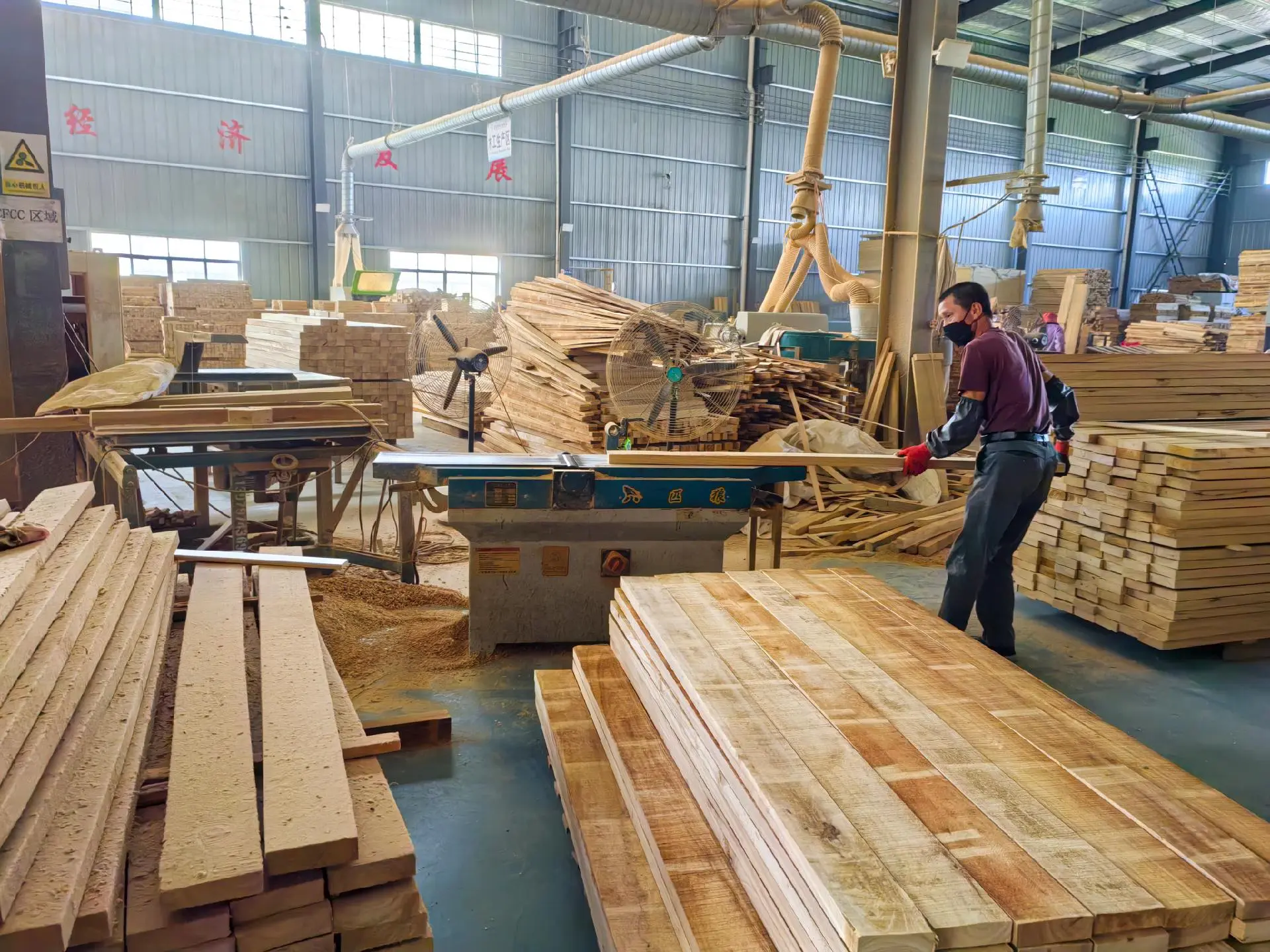
From our factory: A look inside our wooden cat tree workshop, where every component is checked for the defects described above.
How Solid Pet Wood Prevents Cat Tree Manufacturing Defects
Our prevention system is built into the line: metered intake, stability checks before tooling, water-based coatings, pressed inserts, three-stage QC — and field data enters a formal ECO, because the cheapest defect is the one your next customer never sees.
FAQ
What is the most common defect in mass-produced cat trees?
Structural wobble and loose hardware lead most return data — both stem from undersized bases and weak column joints. Prevention: through-bolted joinery, right-sized bases, tip-over testing.
How does a factory prevent formaldehyde odor in cat trees?
Build structural parts from solid wood, specify E0/E1-grade panels where boards are used, require CARB Phase 2 or EPA TSCA Title VI documentation from every panel supplier, and check adhesive batches at first article.
What does IPQC do on a cat-tree line?
IPQC checks quality during production: incoming moisture readings, per-shift hardware torque tests, first-article adhesion tests, and fit-checks before bulk assembly.
What is AQL sampling in furniture manufacturing?
A statistical plan deciding whether a finished lot passes. Stricter levels (2.5) apply to major defects like wobble; looser ones (4.0) cover minor cosmetic flaws.
Can cat tree finish peeling be prevented?
Yes — peeling usually means poor surface prep or an unsuitable coating. Sand and dedust first, break sharp edges, and use water-based coatings cured under controlled conditions.
Why do flat-pack cat tree holes misalign?
Fixture drift or hand-drilling variation. Prevention: CNC-drilled holes from consistent datum points, dedicated fixtures per model, and a first-article fit-check.
OEM/ODM Support
Need a custom cat tree production plan?
Send reference photos, target dimensions, material preferences, packaging needs, and market direction. We can review feasibility, sampling, MOQ, and export packaging before production. Request OEM QuoteRelated Product Lines
Explore wooden cat furniture we can manufacture.
Related Buyer Guides