
Picture a platform with a crack running its full length, discovered at unboxing. The retailer blames shipping; the root cause is the lumber — machined from wood dried only to the high teens, then finished and packed before it finished moving. Across the ocean, the wood did what wood always does: it shrank, and the finish couldn’t shrink with it. Every warp, crack, and loosened joint traces back to the same root cause — moisture content never properly controlled.
What Is the Right Moisture Content for Cat Furniture?
The industry standard for interior wood furniture is 8–12% moisture content: at that range, wood balances with indoor air and moves too little to crack finishes or loosen joints. Kiln dried wood cat furniture should arrive in that range and stay there — below 6% it turns brittle, above 14% the movement is still ahead, in your customer’s living room.
This range is physics: wood exchanges moisture with surrounding air until the two balance, settling at roughly 8–12% indoors. Furniture built at equilibrium barely moves after delivery. Furniture built wetter moves later — visibly, and at the worst moment.
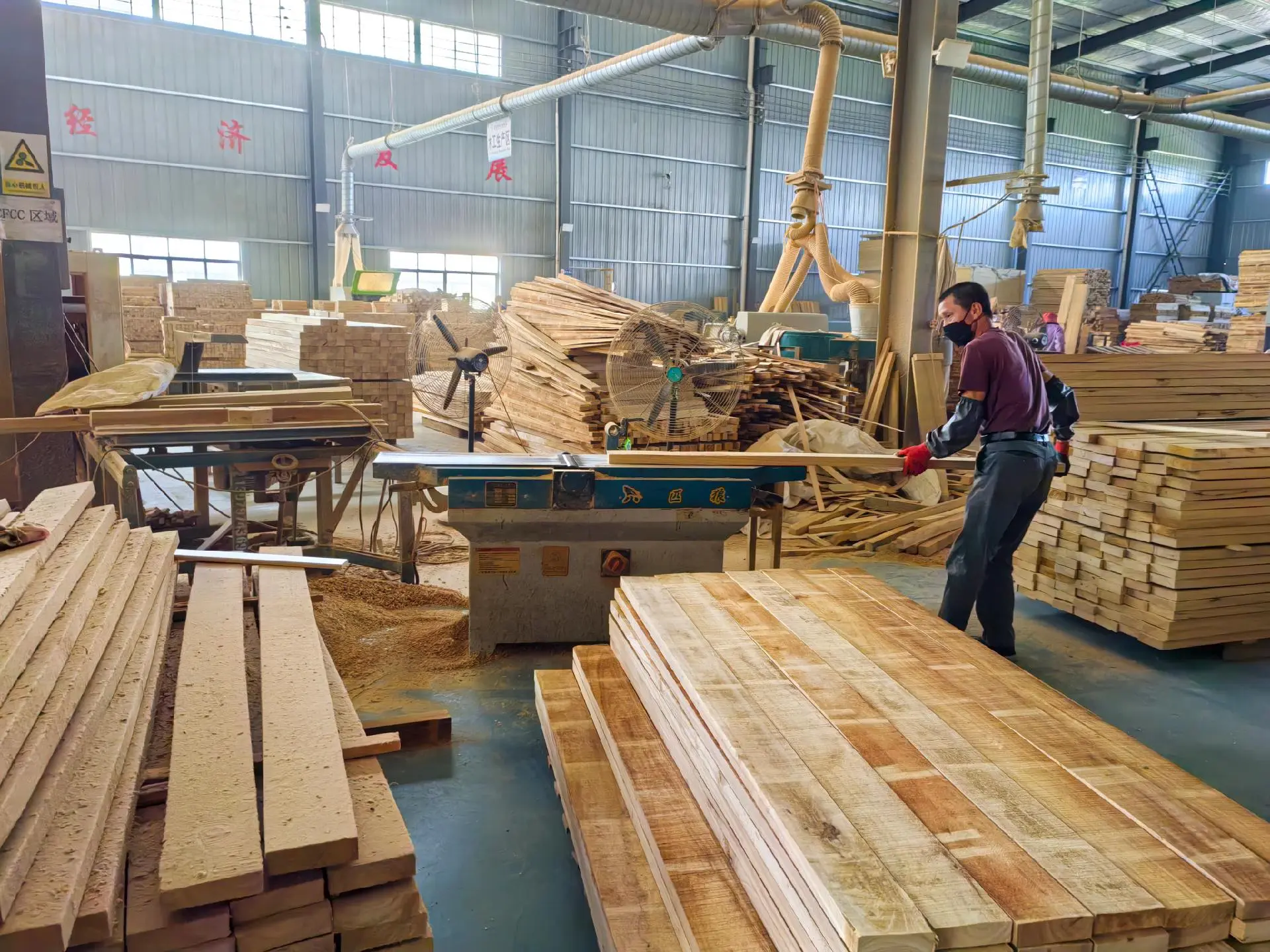
Kiln-Dried vs Air-Dried: Why the Difference Matters for Cat Furniture
Air-drying stalls at 14–20% moisture content — fine for construction timber, not furniture. Kiln-drying drives lumber to the 8–12% target in a controlled chamber, evenly through the full board, and kiln temperatures kill the insects and larvae air-dried stock can harbor — a real concern for internationally shipped products.
| Air-dried | Kiln-dried | |
|---|---|---|
| Final moisture content | 14–20% | 8–12% |
| Drying time | Months of outdoor stacking | Days in a controlled chamber |
| Through-thickness evenness | Surface dries first, core lags | Heat and airflow penetrate the full board |
| Pest kill | No | Kiln temperatures kill insects and larvae |
| Furniture suitability | Construction timber | Dimensionally stable parts |
Kiln-dried parts hold the tolerances that CNC machining and tight joinery depend on. A cheap factory will quote a supplier’s certificate; a specialized manufacturer will show you pin-meter readings on your boards. “Kiln-dried” without charge sheets is a marketing word — a real kiln logs temperature, humidity, and duration for every load.
What Happens When Wood Is Too Wet — or Too Dry
| Moisture content | What happens | Where it shows |
|---|---|---|
| Below 6% | Wood turns brittle | Screw holes split, thin edges chip, finishes lose adhesion |
| 8–12% | Equilibrium with indoor air | Parts hold tolerances, joints stay tight |
| 14–20% | Still drying after assembly | Platforms cup, hairline checks, finishes crack |
| 16% and above | Active shrinkage from the glue line | Glued joints open months after delivery |
Too-wet wood fails slowly, then all at once: above 16%, parts keep drying after assembly, platforms cup, hairline checks spread, and glued joints open months after delivery — looking perfect at pre-shipment inspection. Too-dry wood below 6% fails the opposite way, turning brittle: screw holes split, thin edges chip, finishes lose adhesion.
How Serious Factories Verify Moisture Content
Verification happens in three places, and buyers should ask about all three:
- Incoming lumber: every delivery gets pin-meter readings on multiple boards, top to bottom of the stack — suppliers’ certificates describe the load average, not your boards. In our workshop, a delivery reading above target goes back on the truck or into our own drying.
- During production: IPQC checks measure moisture content at the machining stage, catching stock that picked up humidity in storage — lumber is hygroscopic and reabsorbs moisture from damp air, undoing good kiln work in weeks.
- Before packing: finished parts get a final spot-check — a part that dried correctly but sat near an open dock door can be wet again. We’ve opened cartons where perfectly dried parts had sat through one humid warehouse month and read 16% at the meter: exactly why the pre-pack check exists.
Moisture content is not a one-time measurement but a condition to protect through the whole supply chain — kiln to machining to carton to container to warehouse. See moisture control during ocean transit for the shipping half of this story; pre-shipment inspection and AQL sampling keep the checking honest across the lot.
The Limits of Kiln-Dried Wood Cat Furniture: What Kiln-Drying Can’t Prevent
Kiln-drying is necessary but not sufficient. It cannot fix bad species selection — some fast-growing softwoods move dramatically with seasonal humidity swings no matter how well dried (see our wood species for premium pet furniture guide). It cannot compensate for bad design: a wide solid panel glued rigidly into a frame will crack at the joint when humidity shifts, because the design denied the wood room to move.
And it cannot survive a bad supply chain: perfectly dried lumber stored in an unheated, unsealed warehouse through a rainy season reabsorbs moisture steadily, and container condensation can re-wet finished parts. Kiln-drying buys stability at the factory gate — protecting it afterward is packaging, warehousing, and routing discipline. This isn’t marketing — it’s the direct math of wood physics: every humid week in storage undoes kiln hours.
Moisture Questions to Ask Your Factory
Turn this article into a checklist:
- What does incoming lumber read — show me pin-meter records?
- In-house drying or supplier-dried — and what charge sheets prove it?
- Is the lumber warehouse humidity-controlled?
- Are moisture checks part of IPQC, or only at final inspection?
- What happens to a delivery that reads too wet?
A factory with real moisture discipline answers all five without hesitation and produces the records; one that treats “kiln-dried” as a marketing word will answer one and deflect four. For the material comparison, see solid wood versus MDF for pet furniture.
Specify Moisture Content Like an Engineer
Kiln dried wood cat furniture lives or dies on one number: 8–12%, verified at incoming inspection, during production, and before packing — then protected through every warehouse and container afterward. Put the range in your specifications, demand the pin-meter records, and audit drying as a process, not a label. Want our engineering team to review a factory’s moisture-control process? Send your specifications through our request-quote page or open a technical discussion via our contact page.
How Solid Pet Wood Controls Moisture for Cat Furniture
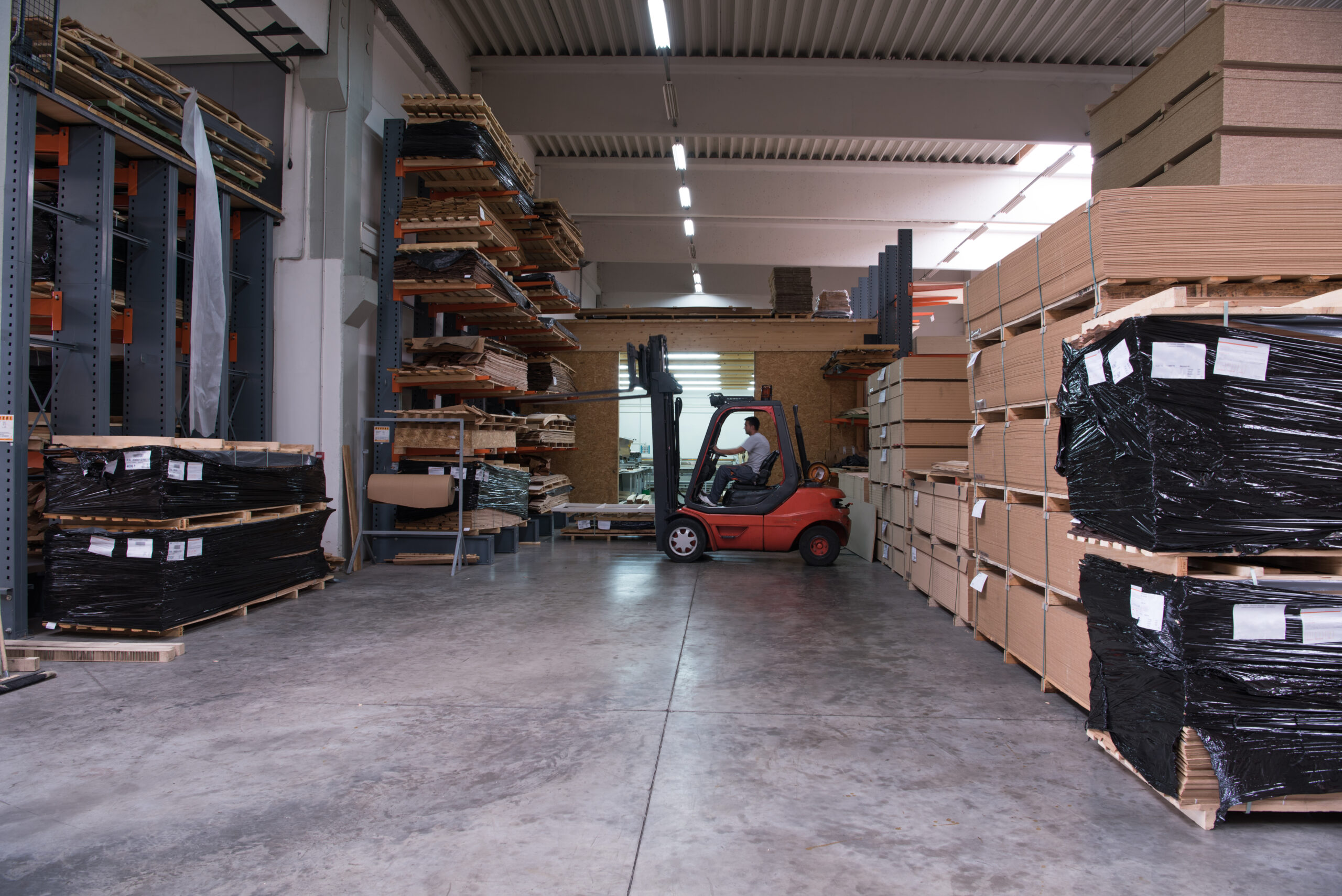
Moisture control in our factory is a chain of gates, not a single claim. Incoming lumber faces pin-meter readings on multiple boards per delivery — anything above target goes back on the truck or into our own drying. The lumber warehouse is humidity-controlled — kiln-dried stock reabsorbs moisture from damp air within weeks. IPQC re-checks moisture content at the machining stage, finished parts get a final spot-check before packing, and every reading is logged against the production lot — so when your QA team asks for moisture records, we hand over a file, not someone else’s certificate.
From our factory: See how kiln-dried lumber moves through our workshop, from moisture-checked boards to finished parts.
FAQ
How do I verify a factory really kiln-dries its lumber?
Ask for three records: kiln charge sheets (temperature, humidity, duration per load), pin-meter readings on incoming lumber, and moisture checks logged during IPQC. Also ask whether drying is in-house or supplier-done — supplier-done needs the supplier’s charge sheets, not just a certificate.
Can kiln-dried wood reabsorb moisture after drying?
Yes — wood is hygroscopic and continuously exchanges moisture with surrounding air. Properly dried lumber in a damp, unsealed warehouse climbs back toward ambient equilibrium within weeks, which is why serious factories control warehouse humidity and re-check moisture at the machining stage.
Does moisture content affect the finish?
Directly: if the wood shrinks beneath a rigid coating, the finish cracks along the grain. Water-based coating is more forgiving than brittle solvent films, but no finish survives major substrate movement.
Is FSC certification related to moisture content?
Not directly — FSC verifies responsible forest management and chain of custody, not how lumber was dried. FSC answers “where did this wood come from”; moisture records answer “will it hold its shape.” The FSC US site explains the certification scope.
What moisture standard applies to composite panels in cat furniture?
Composite panels — plywood, MDF, particleboard — fall under formaldehyde emission rules, not moisture standards: CARB Phase 2 and EPA TSCA Title VI (EPA standards page). For solid wood, 8–12% remains the governing number.
OEM/ODM Support
Need a custom cat tree production plan?
Send reference photos, target dimensions, material preferences, packaging needs, and market direction. We can review feasibility, sampling, MOQ, and export packaging before production. Request OEM QuoteRelated Product Lines
Explore wooden cat furniture we can manufacture.
Related Buyer Guides