
A retailer’s service team reports cracked perches months after launch. The factory agreement says one vague line — “quality guaranteed”: no defect definition, no claims procedure, no parts commitment. Furniture factory warranty terms deserve the same engineering attention as the product — clauses that say exactly what happens when something goes wrong.
What Should Furniture Factory Warranty Terms Cover?
Strong furniture factory warranty terms cover three things: a precise defect definition, a claims process with response timelines, and a replacement-parts policy that keeps your customers whole. The warranty should reference the factory’s own standards — moisture bands, adhesion criteria, torque specs — so “defective” is a measurable verdict.
In B2B furniture, warranty is an engineering interface, not boilerplate: it defines how both sides behave when something goes wrong. A cheap factory writes “quality guaranteed” and hopes you never test it. A specialized manufacturer writes measurable defect definitions — and keeps the IPQC and AQL records to prove them, filed with every pre-shipment inspection.
Defining Coverage: Structural, Finish, and Hardware Warranties
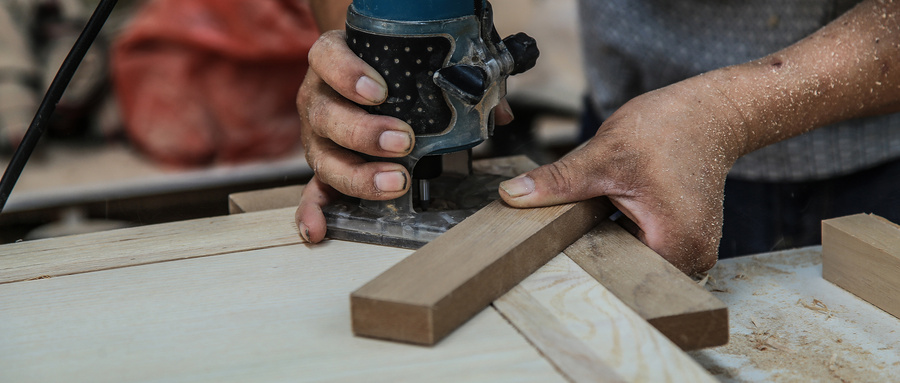
Useful terms split coverage into structural, finish, and hardware categories — failure modes differ in cause and evidence. A sound structural clause references the testing the product passed, so both parties share one definition of “structurally sound” before any dispute.
That means tip-over and fatigue protocols modeled on ASTM F2057. One honest boundary: peeling and flaking are manufacturing defects; claw wear on sisal is honest usage. More: pet furniture durability testing.
| Category | Covers | Proven By | Measurable Reference |
|---|---|---|---|
| Structural | Cracked tenons, split columns, collapsed platforms | Returned part or lab test | Tip-over/fatigue, ASTM F2057 |
| Finish | Peeling, flaking, adhesion failure | Dated photos | Adhesion criteria in coating spec |
| Hardware | Inserts pulling out, bolts stripping | Returned part, torque check | Torque specs per model |
The Claims Process: How Warranty Terms Handle Defects in Practice
A warranty without a claims procedure is a promise without plumbing. Spell out the workflow: how you report a defect, what evidence the factory needs, the response timeline — and root-cause analysis for systemic failures.
A claim lands on a Tuesday: photos of a cracked perch, the batch code on the carton label. Our service desk opens with one question — “what’s the batch code?” Within the hour, engineering has that lot’s records on screen. That is the difference between a claims process and a claims performance.
| Step | You Provide | The Factory Does |
|---|---|---|
| Report | Photos, batch code, failure description | Acknowledge in the agreed window |
| Evidence | Failed part, if requested | Pull lot records |
| Analysis | Your field-failure pattern | Root-cause analysis |
| Resolution | Confirm the fix scope | Ship replacement parts |
Batch traceability makes the whole process work: every run carries a batch code on the carton and in the factory’s records, so a claim traces to a specific lot.
Replacement Parts: The Warranty Clause Cat Furniture Uses Most
Cat furniture is modular, so the replacement-parts clause gets exercised most: a cracked perch or stripped insert is fixed with a single component at a fraction of full-unit cost — this isn’t generosity, it’s the direct math of modularity.
On our spare-parts rack, perches, posts, and hardware kits sit keyed by model — including models two seasons old. A buyer needing parts for an eighteen-month-old SKU gets them from stock. The trade-off is real: that rack, plus the drawings and finish formulas behind it, costs space. Factories that redesign tooling every season cannot honor parts commitments; factories with stable, documented platforms can.
Strong terms commit the factory to parts availability for the product’s commercial life — and parts must match the original run: same species, same finish, same hardware.
What Furniture Factory Warranty Terms Typically Exclude
Honest terms are as clear about exclusions as coverage. Specific exclusions show a factory that has processed claims before; vague ones are a warning sign.
| Excluded | Why |
|---|---|
| Misuse or modification | Outside the factory’s control |
| Normal pet wear (claw wear on sisal) | Usage, not a defect |
| Improper end-customer assembly | Installation variable |
| Environmental damage beyond the indoor range | Kiln-dried stock targets 8–12%, not extremes |
| Unspecified cleaning chemicals | Outside the finish spec |
Formaldehyde claims belong to a different track — the CARB composite wood products program and EPA TSCA Title VI sit above any commercial warranty. The exclusion list is the boundary that keeps the warranty enforceable.
Documentation: Batch Traceability and the Technical Dossier
Warranty terms are only as good as the records behind them. Per model, the factory should maintain a technical dossier: drawings, material specs with moisture bands, coating specs, torque values, test records, IPQC and AQL records from each run.
Negotiate documentation rights into the terms: batch-level QC summaries for your shipments, and the right to review records on disputed systemic claims — see our pet furniture factory audit guide. Factories that resist documentation clauses usually lack the records, not the goodwill.
Negotiating Furniture Factory Warranty Terms as a Partnership
The strongest warranty negotiations happen before the first production run — while the product is still a drawing. Bring your field-failure data: defect categories, return patterns, complaints. A professional factory maps your failure history against its IPQC checkpoints: which failure modes its process controls, and which need a design change. We’ve seen importers lose a retail listing over one missing hardware bag that a batch-code lookup could have traced in an afternoon — that conversation prevents the claims the warranty would otherwise process.
Treat the warranty as a living document: review claim data after each production run and decide whether an engineering change order (ECO) is warranted. The real B2B value is fewer failures, not compensation for them.
The Limits of Any Furniture Factory Warranty
Two boundaries deserve honesty. First, no warranty covers what the factory cannot control: misuse, extreme environments, third-party modifications. A warranty that promises everything will be disputed on everything. Second, warranty terms cannot substitute for quality control — the warranty is the safety net, not the primary control.
Proper claims take time: root-cause analysis needs failed parts to travel back and be examined. Terms promising instant resolution usually deliver instant denial instead.
From our factory: See how warranty and after-sales support work inside our factory.
How Solid Pet Wood Handles Warranty and After-Sales Support
Our warranty runs on the systems that build the furniture:
- Batch traceability first: every run carries a batch code — on carton and in our records.
- Replacement-parts discipline: perches, posts, hardware kits stocked by model, backed by archived drawings.
- Engineering-led claims: our in-house team pulls lot IPQC records before replying; systemic patterns feed design improvements.
- Documented everything: a technical dossier per model — moisture bands, coating specs, torque values, test records.
Drafting warranty terms with a new partner? Request a quote with your top three field-failure modes — enforceable warranty terms start from your failure history, not boilerplate.
FAQ
What should furniture factory warranty terms cover?
A precise defect definition, a claims process with response timelines, and a replacement-parts policy. The best terms reference the factory’s own standards — moisture bands, adhesion criteria, torque specs — so “defective” is measurable.
How should warranty coverage be structured?
Split coverage into structural, finish, and hardware categories: structural clauses reference the testing passed; finish clauses distinguish adhesion failure (defect) from claw wear (usage).
What makes a warranty claims process work?
Defined reporting steps, evidence requirements, response timelines — plus batch traceability. Every run should carry a batch code so claims trace to a specific lot.
Why do replacement parts matter in furniture warranties?
Cat furniture is modular: a cracked perch can be fixed with one component at a fraction of full-unit replacement cost. Strong terms commit the factory to parts availability for the product’s commercial life, backed by an archived technical dossier.
What do furniture factory warranties typically exclude?
Misuse, modification, normal pet wear, improper assembly, environmental damage outside specified ranges, unspecified cleaning chemicals. Specific exclusions signal a factory that has processed real claims.
Should warranty terms be negotiated before production?
Yes — before the first production run, when both sides can map field-failure history against quality checkpoints. Treat the warranty as a living document, reviewed after each run.
OEM/ODM Support
Need a custom cat tree production plan?
Send reference photos, target dimensions, material preferences, packaging needs, and market direction. We can review feasibility, sampling, MOQ, and export packaging before production. Request OEM QuoteRelated Product Lines
Explore wooden cat furniture we can manufacture.
Related Buyer Guides